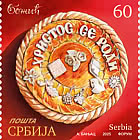
Christmas Eve, or Badnjak in Croatian, is the last day of Advent and, for Christians, a day of anticipation of the birth of Jesus Christ. The name comes from the Old Slavic word “b’deti”, meaning “to be awake”, “to keep vigil”, or “to wait”.
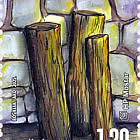
Among Croats, “Badnjak” or “Badnjaci” also refers to three logs people bring into the house on Christmas Eve. They are cut on the morning of Christmas eve and placed against the house’s outer wall until evening. In the evening, three people enter the house one after another, each saying, “Blessed Christmas Eve to you”. The host and family members respond, “To you as well, may God bless us all”. They put a log about the size of a firewood piece on the hearth to burn, chatting and waiting for the time to come for a midnight mass. The tradition of bringing in the Badnjak has stuck around until today, though in a slightly different form, as people no longer use an open fire on hearths.
Almost the whole world celebrates the arrival of New Year on 1 January, with decorated Christmas trees in city squares, fireworks, and festivities. On that day, Christians celebrate the Feast of Saint Mary, the Mother of God, and the Church places them under her maternal care and protection. In the late 19th century, Croats began decorating Christmas trees, first with fruits, walnuts, and hazelnuts, then with paper chains and candles, and today with colourful glass baubles.
(Željka Šaravanja)