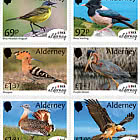
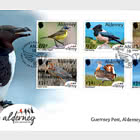
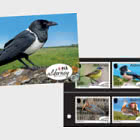
Bird observatories across the British Isles provide a unique window into the lives of our feathered visitors. From remote islands in the north to coastal headlands in the south, these centres monitor bird migration, breeding, and population trends, revealing how species respond to changing environments and connecting local observations to global migration networks.
Observatories use a range of techniques to track birds. Regular censuses, ringing, acoustic monitoring, and even radar or radio tagging allow scientists to detect both daytime and nocturnal migration. Datasets collected over decades reveal fascinating patterns: some species are arriving earlier than ever, others are changing their routes, and rare visitors occasionally appear far from their usual haunts.
Conservation is a key focus. By identifying population declines or shifts in migration timing, observatories help guide habitat management and species protection efforts across the UK and Europe. They provide vital intelligence for ornithologists, policymakers, and nature enthusiasts alike.
Volunteers play a central role, gaining hands-on experience in identification, tracking, and data collection.
Many find it an unforgettable way to connect with wildlife and contribute to meaningful conservation work. Observatories in strategic locations such as the Alderney Bird Observatory - sitting directly on the East Atlantic Flyway – show how even small sites can be critical stepping stones for migratory birds traveling thousands of kilometres each year.
Through research, education, and volunteer involvement, bird observatories ensure that generations of birds can continue to thrive, and how even the smallest observation can contribute to a bigger picture of life on the move.
Did you know?
• The first British Bird Observatory was established on Skokholm Island, Wales, in 1933.
• Some migratory birds tracked from the UK travel more than 10,000 km to reach Africa each year.
• Small islands like Alderney can see over 300 species annually thanks to their strategic location on migration routes.