Sheep breeding has long been a vital part of the agricultural production of Slovakia. They were already known to prehistoric inhabitants, providing them with meat, wool, milk and skin. Some written records of sheep breeding have been preserved from the early Middle Ages and its importance significantly increased in mountainous areas after the Wallachian colonisation of the 14th to 17th centuries. Sheep farming became the main livelihood in many regions and influenced both the lifestyle and traditional culture of the inhabitants.
Mountain sheep farming was a special system of sheep farming typical of the Carpathian Region. It spread from the Balkan Peninsula and was adapted to the available local pastures and economic conditions. The sheep grazed on higher, previously unused pasture. Breeding mainly focused on the processing of sheep’s milk and the production of “bryndza” (a special sheep’s milk cheese), “oštiepok” (a traditional smoked sheep’s milk cheese), “parenica” (a traditional cheese) and žinčica (a drink made of sheep’s milk whey) which is demonstrated by the specific terminology that has been developed. The sheep would remain on the pasture from late April to autumn which required the construction of mountain farms and buildings for shepherds.
There were many different sheepherding roles carried out on mountain sheep farms. The head shepherd controlled the operation of the farm, while older shepherds, herders, shepherds of non milking sheep and helpers—boys preparing for the shepherding profession—also played an important role. The shepherds’ work was physically challenging and demanded skill, discipline and team work. The amount of time they spent in remote areas helped to form their personalities—they had a great deal of knowledge of the nature of the local area, they could predict the weather, used medicinal plants and passed their knowledge on from generation to generation. Mountain sheep farming had a permanent effect on the traditional folk culture which is reflected in the songs, customs, and woodcarvings depicting sheep-herding.
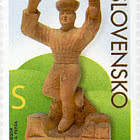
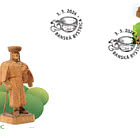
The theme of the design of the issue Easter 2026: Traditional Sheep Farming and Mountain Sheep Farming depicts the works of a folk woodcarver, Eduard Gregor. The theme of his work was shepherding and he created objects and motifs related to life in a mountain sheep farm.
Jana Koltonová