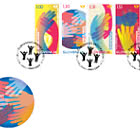
Human Rights Ombudsman of the Republic of Slovenia:
The Human Rights Ombudsman is an autonomous and independent institution which, on the basis of Article 159 of the Constitution of the Republic of Slovenia and the Human Rights Ombudsman Act, protects human rights and fundamental freedoms in relation to state authorities, local government bodies and bodies exercising public authority. The Ombudsman officially started work on 1 January 1995. Anyone who considers that their human rights or fundamental freedoms have been violated may turn to the Ombudsman; the procedure is informal and free of charge. The Ombudsman also addresses systemic issues on their own initiative, prepares analyses and promotes a culture of human rights through awareness-raising and education. The Ombudsman may submit proposals, opinions or recommendations to authorities, thereby encouraging improvements in the protection of human rights. Since 2021 the Ombudsman has held “A” status as a national human rights institution in accordance with the United Nations Paris Principles. Since 2008 it has also acted as the national prevention mechanism, identifying violations of the prohibition of torture and other cruel, inhuman or degrading treatment or punishment in places where persons are deprived of their liberty.
Prohibition of discrimination:
Article 14 of the Constitution of the Republic of Slovenia provides that all are equal before the law and prohibits discrimination on the basis of personal circumstances. No one may, on account of such circumstances including nationality, ethnic origin, sex, language, disability, political or other conviction, religion or other personal characteristics be treated less favourably than persons in a comparable situation without justification. The prohibition of discrimination derives from the principle of equal treatment, which is one of the fundamental principles of the protection of human rights. Discrimination may also arise where apparently neutral rules or practices in fact place certain groups of people at a disproportionate disadvantage and there is no objective, legitimate and proportionate justification for this. In addition to the prohibition of discrimination itself, it is therefore important to remove barriers and create conditions in which all have equal opportunities to access services, education, employment and other public goods.
Right to privacy:
The right to privacy is a fundamental element of human dignity and personal autonomy: it allows individuals to decide who may enter their personal space and when and how they may do so, and what information about them is shared. It safeguards private and family life, the home and the confidentiality of communications, while also protecting the freedom to form relationships, develop one’s identity and make life decisions without unjustified intrusion. Interferences with privacy are permitted only in exceptional cases and on a statutory basis, and where they are necessary and proportionate for the protection of other important interests. The right to privacy and the protection of personality rights are guaranteed by Article 35 of the Constitution of the Republic of Slovenia. In the digital environment, the right to privacy also entails responsible and transparent handling of personal data. Such data may be collected and processed only for a specific purpose and on a lawful basis, and individuals must be able to access, rectify or, where justified, erase their data, while institutions and businesses must ensure that such data are adequately protected against misuse. Protecting privacy today also includes the considered management of one’s digital footprint.
Zero tolerance for violence:
Violence whether physical, psychological, sexual, economic or online constitutes an interference with human dignity, physical and mental integrity and the sense of security. “Zero tolerance” denotes a clear social and legal stance: violence in the family, in the community, in the workplace or in institutions is not acceptable, and victims must be ensured safety, support and effective protection, including safe and accessible reporting channels and consistent action by the competent authorities. This approach is based on respect for human dignity and the prohibition of inhuman or degrading treatment. Particular attention must be paid to the protection of children, women and other vulnerable groups, who may be exposed to violence more frequently. It is also important to prevent violence through education, awareness-raising and the promotion of respectful relationships, which reinforce zero tolerance for violence in society and contribute to a safe environment for all.
Right to a healthy living environment:
Article 72 of the Constitution of the Republic of Slovenia provides that everyone has the right to a healthy living environment and imposes on the state a duty to determine by law the conditions for the pursuit of economic and other activities and the liability of those responsible for environmental damage. Environmental risks air pollution, noise, hazardous substances or the effects of climate change often affect vulnerable groups most severely, which makes environmental protection also a matter of equality and intergenerational justice. Another important aspect is the public’s right to information on the state of the environment. In 2022 the United Nations General Assembly recognised the right to a clean, healthy and sustainable environment as a human right at the global level. A healthy environment is a prerequisite for the full enjoyment of many other rights, including the rights to life, health, food, water, sanitation and development.
Simona Drenik Bavdek
Human Rights Ombudsman of the Republic of Slovenia