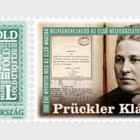
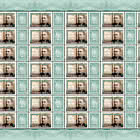
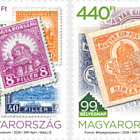
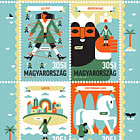
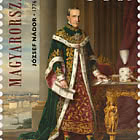
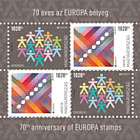
In 2026, Magyar Posta is marking the 150th anniversary of the opening of the first stamp shop, associated with Klára Prückler, the first Hungarian stamp dealer, by issuing a stamp with a thematic label. Twelve thousand two hundred and fifty copies of the thematic personalised stamp designed by the graphic artist Imre Benedek were produced. The new issue may be purchased at Filaposta, philately specialist services and www.posta.hu while stocks last.
Klára Prückler (1844–1918) was born into a well-off family of merchants in Pest. The family ran a spice shop and were related to the family of Ignác Prückler, who was known as a pioneer of sparkling wine production. This commercial background may well have played a significant role in Klára’s later success as an entrepreneur. Upon the death of her brother in 1876, Klára took over the management of the family business. This was in itself highly unusual in Hungary during the Dual Monarchy, as commercial enterprises were predominantly controlled by men. As Klára was already a passionate stamp collector, she recognised the rapidly growing popularity of stamp collecting and, on 24 August 1876, established Hungary’s first specialist stamp shop at 25 Soroksári út in Budapest. In this way she was one of those who laid the foundations of Hungarian philately. Later, her business acumen enabled her to relocate her shop to 5 Régi posta utca, in the heart of the city.
In the last decades of the 19th century, her business was not confined to the buying and selling of stamps as she also fostered relations with foreign dealers, advertised regularly in Hungarian and international philately journals, and established exchange networks with philatelists in a number of European countries. Thanks to her work, Hungarian collectors were able to gain easier access to foreign stamps and catalogues. In 1886, she published the first Hungarian stamp catalogue, which categorised the stamps in circulation in Hungary. In 1906, she was granted a patent for a means of keeping stamps that she designed herself, a “stamp wallet” that ensured the undamaged storage and display of stamps. As a pioneering female entrepreneur, her work was of enormous importance not only in philately but also in promoting women’s participation in the economy.