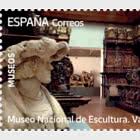
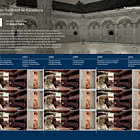
The National Museum of Sculpture originated from the Provincial Museum of Fine Arts in Valladolid, established in 1842 to house artworks confiscated during the 19th-century ecclesiastical disentailment processes. In 1933, thanks to the initiative of Ricardo de Orueta then Director General of Fine Arts it was elevated to the status of a National Museum, in recognition of the exceptional quality of its holdings.
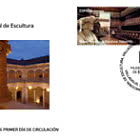
It was at that time that the museum moved to its current home, the Colegio de San Gregorio. This late 15th-century architectural gem is distinguished by its courtyards, chapel, monumental staircase, and spectacular façade. Once a major intellectual hub of the Early Modern period, the building now houses an outstanding collection of sculpture and painting that traces the history of art in the Iberian Peninsula from the 13th to the 18th centuries. The collection is particularly rich in Renaissance and Baroque works, featuring artists such as Alonso Berruguete, Juan de Juni, Gregorio Fernández, and Luisa Roldán.
The museum has two other nearby locations. One is the Palacio de Villena, a 16th-century Renaissance building that houses the Neapolitan Nativity Scene one of the most important of its kind in Europe on display year-round; it comprises over 600 richly dressed, articulated figures. This building also contains the temporary exhibition galleries and various internal museum facilities, including the library, storage areas, and the restoration workshop.
The third location is the Casa del Sol, which has housed a remarkable collection of artistic reproductions since 2011. Created in various materials during the 19th and 20th centuries, these pieces are based on the most iconic artworks of Classical Antiquity.
Throughout the year, the museum organizes a wide array of activities for all audiences, making it an inclusive, dynamic, and vibrant cultural center.