2017Cities of Serbia - First Day Cover
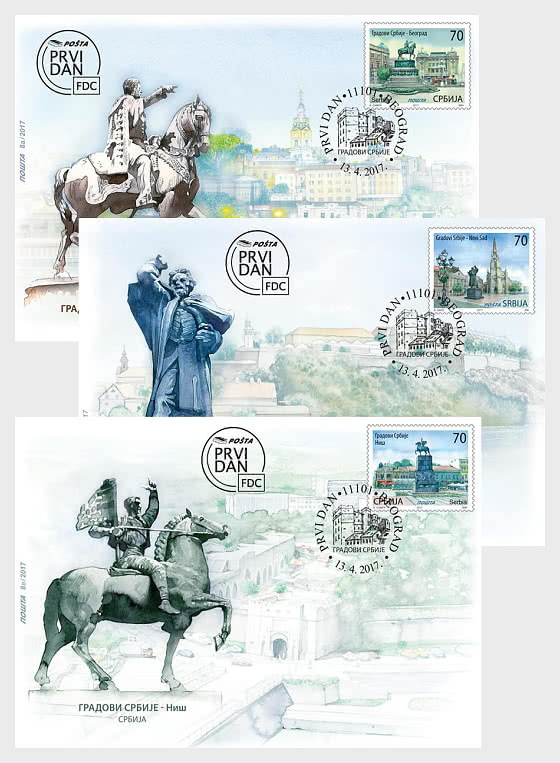
- 13.04.2017
- Boban Savić, М.А, academic painter
Belgrade, a meeting place and a connection point at the confluence of the Sava and the Danube rivers is one of the oldest cities in Europe and the largest in the Balkans. The place where the Pannonian Plain meets the Balkan Peninsula. It was founded by the Celts in third century B.C. During its history lasting for millennia, it was conquered by many – Huns, Ostrogoths, Sarmatians and the Avars, in the Roman Age, when it was called Singidunum.
It was the Slavs who gave its name – White City. An inscription from 878 mentions the name Belgrade for the first time (Byelgrad – Slavic form). It came to Serbian hands in 1204, and it is the capital city since 1405 and despot Stefan Lazarević.
It was attacked and taken by the Hungarians, Turks, Habsburgs… John Hunyadi lead the Christian army during the Siege of Belgrade in 1456 and managed to defend it heroically from Turks. All that time, Belgrade always preserved its self and remained characteristic. Since 1817 it was the capital of the Principality of Serbia. Prince Mihailo received the Belgrade keys from the Turkish sultan on 19thApril 1867.
In the twentieth century, Belgrade was bombarded and attacked by Austro-Hungarians in 1915, and Major Gavrilović defended it street by street, offering his own and the lives of his soldiers for defence of Belgrade. It was levelled to the ground also by the Nazi airplanes on 6th April 1941, and then by the Allies in 1944. Belgrade was also bombed in 1999 in the NATO aggression against Serbia, but it survived and grew up, more beautiful and more luxurious, more joyous and happy, remembering with reverence and respect of all those who gave their lives for the Belgrade’s glory, honour and defence, through the history.
The open spirit and vast soul of Belgrade reflect in the Church of St. Sava in Vračar, built on the place where the Turks burned down the relics of St. Sava, the Serbian patron saint. Belgrade and its citizens win by their good-naturedness, smiles, hospitality and joy – at the Belgrade Marathon, Kalemegdan Terrace, in the Jevremovac Garden, in the bohemian Skadarlija, at the Sava rafts at night, in the darkness of the cinemas at the Film Festival, under the floodlights of the BITEF stage. At the beaches of Ada Ciganlija – “the sea of Belgrade”, in the leafy Košutnjak hill or at the windy Avala mountain that offers a splendorous view of the entire Serbia – one can feel the real spirit, serenity and charm of Belgrade everywhere. The city and its citizens have their hearts open for you.
Novi SadNovi Sad, a city nested on the northern slopes of the Fruška Gora mountain, at the very borderline between Bačka and Srem and on the banks of the Danube and the Small Bačka Canal.
The centre of Serbian culture in the past, known far and wide as Serbian Athens, Novi Sad is today the second largest city in Serbia by population and the administrative centre of the Autonomous Province of Vojvodina. It was founded by the Celts in the 4th century B.C., at the right bank of the Danube, at the location of the present-day Petrovaradin. The city was devastated by the Huns and the Avars, conquered by the Ostrogoths, Gepids and Langobards, ruled by the Byzantines and the Franks, and made part of the Bulgarian Empire and the mediaeval Hungarian Kingdom.
Novi Sad belonged to the Ottoman Empire until the Great Vienna War (1683-1699), when it was conquered by the Austrians, who prohibited the Orthodox population from living in Petrovaradin. For this reason, the Serbs founded in 1694 a new settlement on the left, Bačka bank of the Danube – Racka Varoš (Ratzen Stadt), also known as the Petrovaradin Trench (Peterwardeiner Schantz). The rich citizens of the Racka Varoš, mostly Serbs but also Germans, Jews, Hungarians, Bulgarians, Armenians and Greeks, redeemed in 1748 for 80,000 Rheinische forints their city, which became a royal free city with the official name Novi Sad (Latin: Neoplanta) entitled to autonomous judicial, executive and legislative authority, as well as to the independent tax collection.
Nowadays still, Novi Sad and its citizens live at their special, leisurely pace. It does not take much time to feel a truly tolerant, multicultural, cosmopolitan soul of the city. To fall into the rhythm and integrate in the spirit of the city, it is enough to slow down a little, relax, take a stroll from the Liberty Square where the monument to Svetozar Miletić, the City Hall and the Name of Mary Church (Roman Catholic) are located, up to the Zmaj Jovina or Danube Street, with sights like Episcopal Palace, Tanurdžić’s Palace or the City Library and Reading Room; or have a drink in the Laza Telečki Street and visit Petrovaradin Fortress and its dungeons; enjoy in the sandy Štrand, taste exquisite wines from Fruška Gora and fisherman’s soup in some of the restaurants on the Fishermen’s Island and then see one of the remarkable performances in the Serbian National Theatre; dance with the tamburitza orchestra or with the most modern music at one of the most prestigious European festivals – EXIT, visit the monasteries of Fruška Gora, enjoy in the children clamour at the Zmaj Children Games, or just enjoy in the Danube Park.
NišOn the river Nišava, at the intersection of arterial roads and under attack of many armies and conquerors, Niš was founded by the Celts in the third century B.C. Named Fairy Town after the Fairy River (Navisos) along which it was built, it bestowed two emperors upon the great Roman Empire – Constantine the Great and Constantius III.
During the centuries, always in the crosshairs of Dardanians, Thracians, Illyrians, Celts, Romans, Huns, Avars, Byzantines, Bulgarians, Ottomans, Hungarians and Austrians, it has been an important military, commercial and administrative centre since times immemorial. Being the capital city of the Roman province Moesia Superior since the third century A.D., in the fourth century Niš (lat. Naissus) was the eparchial seat and one of the important centres of religion in the Roman Empire.
In the age of the Byzantine emperor Manuel I Komnenos, Niš was a major military base. The Grand Prince Stefan Nemanja conquered it in 1183 and restored the monastery church of St. Panteleimon, the saint protector of the city of Niš. The Ottomans under Murat conquered and looted Niš in 1386, but it needed a half century to finally fall under the Turkish rule in 1448.
In the Battle of Čegar, the Duke Stevan Sinđelić, a hero of the First Serbian Uprising, dearly charged the Turks for attempting to take the city from the hands of the rebels, taking along him to death 6,000 Ottomans, but all the remaining Serbian rebels as well. The Pasha of Niš ordered to behead all the Serbian deads and erect the Skull Tower, now a memorial dedicated to the fallen heroes of Čegar. Since 1876, Niš is a part of the Principality of Serbia. Today, it is the third largest city in Serbia, the administrative centre and the industrial hub of the Southeastern Serbia.
Coppersmith Alley, the bank of the Nišava river, the Fortress of Niš, the Skull Tower, the Monumental Banovina Palace, and Mediana, the summer villa of Constantine the Great. The spirit of the imperial Niš can also be felt during the Days of the Saint Emperor Constantine and Empress Helena, the best jazz is played every August during the Nishville Festival, and the newest movies displayed at the open stage of the Fortress of Niš during the Niš Film Gathering.
Serbia - Recommended stamp issues


WOPA+ recommended stamp issues

| Avatar - Fire and Ash |
| Issued: 03.12.2025 |
| ›New Zealand |
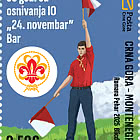
| 50th Anniversary of the Founding of the 24th November Bar Scout |
| Issued: 24.11.2025 |
| ›Montenegro |
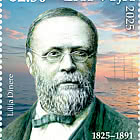
| Krisjanis Valdemars |
| Issued: 02.12.2025 |
| ›Latvia |
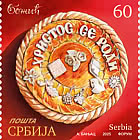

| Sign Language - Good |
| Issued: 02.12.2025 |
| ›Bosnia and Herzegovina - Republic of Srpska |

| In Memory of the Fallen and Murdered on October 7, 2023 |
| Issued: 08.10.2025 |
| ›Israel |

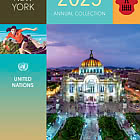
| Annual Collection Folder (New York) |
| Issued: 05.12.2025 |
| ›United Nations |
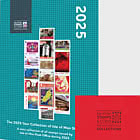
| Year Set |
| Issued: 24.11.2025 |
| ›Isle of Man |
| Shipping in the 17th and 18th Centuries - Peat Shipping |
| Issued: 05.12.2025 |
| ›Netherlands |