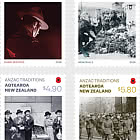
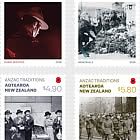
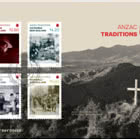
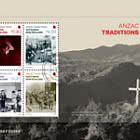
Each year, Anzac Day on April 25th marks the anniversary of the landing of Australian and New Zealand soldiers – the Anzacs – on the Gallipoli Peninsula of Türkiye in 1915, during the First World War. The Allied forces’ campaign to capture the Dardanelles and open a sea route was not successful, and thousands lost their lives including 2,779 New Zealanders.
Though the Gallipoli altercations were small in the wider picture of the First World War, for Türkiye, Australia, and New Zealand these conflicts fostered a strong sense of national identity for each country. Anzac Day has grown out of this pride and is acknowledged in all three countries. The first New Zealand Anzac Day was observed in 1916, the year following the landing, with parades of returned servicemen from Gallipoli and other campaigns, and sombre memorial services.
In 1921 Anzac Day became a full public holiday. Since then, the annual commemorations remain an important time for local communities to make sense of the suffering and loss experienced during New Zealand’s wartime engagements. Anzac Day traditions have evolved through the years to acknowledge all our military personnel who have served, and the diverse experiences of war. Yet many features of the original Anzac commemorations are still practiced.