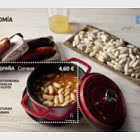
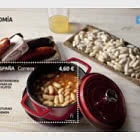
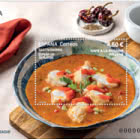
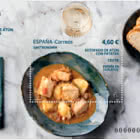
Fabada is the dish that best represents the gastronomy of the Principality of Asturias today, as unanimously agreed by all members of the Asturian Academy of Gastronomy. As it is known today, it is considered to be around a century old, although it existed even earlier in heartier versions with more ingredients, given that everything seems to indicate that it originated from a stew known as "asturiano" and that it dates back to medieval times, with different ingredients.
Its abbreviated recipe (since there are numerous nuances to consider for the dish's success) would be the following:
Ingredients (for 4 people): ½ kg of quality fabes (Asturian white beans); 2 smoked Asturian black puddings; 2 smoked Asturian chorizo sausages; 200 g of cured ham hock; a few strands of saffron; 1 tablespoon of olive oil
Preparation:
Soak the beans and the ham hock (separately) in cold water for about eight hours.
In a wide, shallow saucepan, bring the beans to a boil (over moderate heat with cold water separate from the soaking water, enough to cover them by a couple of fingers). Skim off any foam that rises to the surface as they boil.
Add the blood sausages (pierced at the ends with toothpicks to prevent them from breaking, which would ruin the fabada), chorizo sausages, and ham hock. Continue cooking over moderate heat so the beans don't break, adding the oil and saffron, and ensuring the water always covers the beans (not necessarily the other ingredients). Simmer gently for two to three hours, adding small amounts of cold water if the beans become too dry.
Taste each bean to see if it's cooked through and check the broth for salt (the salt from the ham hock may be enough). Let it rest as long as possible and serve piping hot beans with broth as a first course in each bowl. The meat ingredients (the compango) are chopped and served separately, warm, as a second course. Each diner can crumble and mix them in their own bowl and eat them with bread (hence the name compango, 'cum panage').