There are over 2,500 moth species recorded in the United Kingdom, compared with around 80 butterflies, and they exhibit astonishing diversity, which is largely hidden to us humans because moths are mostly nocturnal.
Yet many moths do fly by day and are as beautiful as butterflies, including the emperor moth and the hedge beauty moth. Bizarrely, the female of the lesser bagworm moth does not have wings, legs or scales, the very things that define moths and butterflies as Lepidoptera, the scale-winged insects.
The number of species in the UK is rising as our warming climate encourages moths to move north from Europe, and as the warmth is allowing once rare southern species, such as the dark crimson underwing moth, to become much more widespread.
Moths have a four-stage life cycle: egg, larva (caterpillar), pupa (cocoon), and adult – which are typically, though not always, winged (like butterflies). During the caterpillar stage, they consume food, grow, and later undergo metamorphosis to emerge as adult moths.
Moths have a bad reputation as clothes-munchers, yet only two species in the UK eat wool and feathers. Caterpillars of others eat a remarkable range of food, including leaves, fruits, living and dead wood and even fungi.
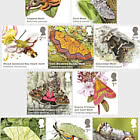
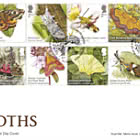
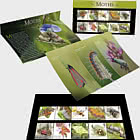
The complete set of ten Moths stamps showcase beautiful illustrations by renowned wildlife artist Richard Lewington, bringing each moth species to life with exceptional detail and scientific accuracy.
This set is a vibrant celebration of British biodiversity, capturing moths in their natural settings and will appeal to nature enthusiasts and philatelists alike