Some flavors have the power to tell the story of a city. In Madrid, one such flavor takes the form of a flower a violet and carries with it over a century of tradition. Over time, the small violet-flavored candy has become a cherished memento, forever woven into the sentimental memory of the capital.
Its history dates back to 1915, when Mariano Gil and Pilar Temiño founded "La Violeta" at 6 Plaza de Canalejas, just a stone’s throw from the Puerta del Sol.
Decades earlier, *violeteras* women who sold violets had made these small flowers a familiar sight on the streets of Madrid. With their bouquets, they heralded the arrival of spring, often gathering near theaters and popular meeting spots. This humble, delicate flower eventually lent its shape and scent to a confection that would soon gain immense popularity.
Among those who fell for its flavor were King Alfonso XIII, as well as various writers, artists, and other notable figures of the era. Their patronage helped bolster the reputation of an establishment that would eventually become an integral part of the traditional landscape of central Madrid.
Generation after generation, these violet candies have retained their signature five-petaled shape, vibrant color, and unmistakable floral taste, becoming a small but enduring symbol of Madrid.
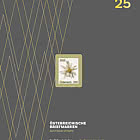
The Spanish postal service, Correos, has dedicated a philatelic issue to this iconic Madrid treat, featuring a stamp that pays homage to its unique appearance through a die-cut design in the shape of a violet blossom.
In this way, philately and tradition converge: the stamp itself takes the form of the very thing it celebrates—a small violet that, for over a hundred years, has held a little piece of Madrid within its flavor.