National Costumes - (3 Offices)
| Miniature Sheet |
| Miniature Sheet CTO |
| First Day Cover |
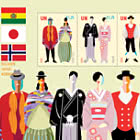
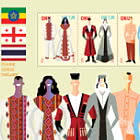
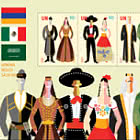
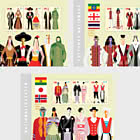
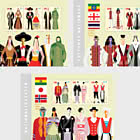
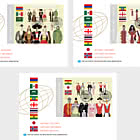
Discover the beauty and cultural heritage of traditional clothing from nine countries: Armenia, Mexico, Saudi Arabia, Ethiopia, Georgia, Thailand, Bolivia, Japan and Norway.
From Armenia’s beautifully embroidered taraz and Georgia’s iconic chokha to Japan’s elegant kimono and Norway’s traditional bunad, each garment tells a unique story of history, identity and craftsmanship.
This stamp issue celebrates the rich diversity of traditional dress and the cultural traditions that continue to be passed down through generations.
USD
Armenia
Armenian traditional dress, known as taraz, developed over centuries and reflects the nation’s ancient heritage and regional diversity. Distinguished by intricate embroidery, rich textiles, and symbolic motifs, taraz has long served as a marker of identity, social status, and local tradition.
Mexico
Traditional Mexican attire reflects diverse cultural influences that have evolved over time and across different regions of the country, incorporating a wide variety of techniques, materials, and designs. Garments featuring colorful embroidery, such as the traditional China Poblana dress and the charro or mariachi suit, reflect Mexico’s rich cultural diversity and artistic craftsmanship.
Saudi Arabia
Traditional Saudi Arabian dress is shaped by the climate, history, and customs of the Arabian Peninsula. The thobe for men and abaya for women combine practicality with cultural significance, reflecting values of identity, heritage, and modesty.
CHF
Ethiopia
Ethiopia’s traditional clothing is renowned for its handwoven cotton textiles and distinctive patterns. The habesha kemis, often worn during celebrations and religious festivals, reflects centuries of craftsmanship and the country’s rich cultural and historical traditions.
Georgia
The Georgian chokha is one of the country’s most recognizable national garments. Originating in the Caucasus region, it became a symbol of courage, honor, and national identity, and continues to be worn during ceremonial and cultural events.
Thailand
Traditional Thai costume, collectively known as Chud Thai, evolved from royal court attire and regional textile traditions. Featuring finely woven silks and elegant designs, it reflects Thailand’s artistic heritage and has been promoted as a symbol of national culture through a set of formalized national attire styles.
Euro
Bolivia
Bolivia’s traditional costumes reflect the country’s Indigenous heritage and diverse highland and lowland cultures. Distinctive garments, including the colorful skirts and bowler hats worn by cholitas, have become enduring symbols of cultural pride and identity.
Japan
The kimono, Japan’s most iconic traditional garment, traces its origins to garments developed more than a thousand years ago. Known for its graceful silhouette and elaborate designs, it embodies Japanese aesthetics, craftsmanship, and respect for tradition.
Norway
Norway’s traditional costume, the bunad, is inspired by regional clothing traditions dating primarily from the eighteenth and nineteenth centuries. Worn during national celebrations and special occasions, each bunad reflects local history, folk traditions, and skilled craftsmanship.
United Nations - Recommended stamp issues








WOPA+ recommended stamp issues

| Avatar - Fire and Ash |
| Issued: 03.12.2025 |
| ›New Zealand |

| 50th Anniversary of the Founding of the 24th November Bar Scout |
| Issued: 24.11.2025 |
| ›Montenegro |

| Krisjanis Valdemars |
| Issued: 02.12.2025 |
| ›Latvia |

| Sign Language - Good |
| Issued: 02.12.2025 |
| ›Bosnia and Herzegovina - Republic of Srpska |

| In Memory of the Fallen and Murdered on October 7, 2023 |
| Issued: 08.10.2025 |
| ›Israel |


| Annual Collection Folder (New York) |
| Issued: 05.12.2025 |
| ›United Nations |

| Year Set |
| Issued: 24.11.2025 |
| ›Isle of Man |
| Shipping in the 17th and 18th Centuries - Peat Shipping |
| Issued: 05.12.2025 |
| ›Netherlands |