Cute and vigilant
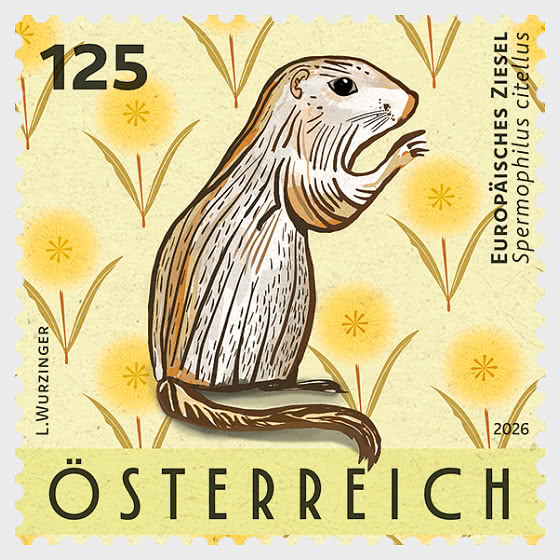
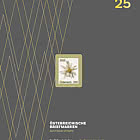
The new series “Endangered animal species” kicks off with the European ground squirrel, presenting with it the first of the indigenous animals whose very survival is under threat.
The little ground squirrel sometimes also known as the European souslik is a rodent and belongs to the squirrel family. European ground squirrels are indigenous to south-eastern Central Europe, their range in Austria stretching from the east of Lower Austria through to central Burgenland. They primarily eat leaves, seeds and roots, but will also not turn their noses up at beetles and caterpillars. Before hibernating, they build up a store of fat that keeps them going through until the spring.
Ground squirrels form large colonies and live in burrows. Each animal digs its own burrow, of which there are two types: nest burrows with multiple branches that are used to raise young and for hibernation and simple burrows that are used to hide from danger. When keeping watch over their surroundings, the ground squirrels stand up on their back legs, emitting a whistle to warn of impending danger. Consequently, they need an open, steppe-type habitat with short grass as found in dry lawns, straw meadows, fallow land, wasteland and the margins of fields. Here in Austria they mostly find these conditions in vineyards, but also in parks, on sports pitches and golf courses, and at the edges of airports. Ground squirrels are highly endangered in Austria and are therefore subject to strict protections. The individual populations, such as those in Vienna’s Stammersdorf area and in the vineyards around Krems, are isolated from one another, and intensive farming and ever-increasing building are reducing their habitat still further.