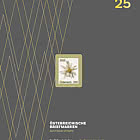
Deadly poisonous
It may look attractive, but this is one of Europe’s most poisonous mushrooms: the white fool’s mushroom causes life-threatening poisoning.
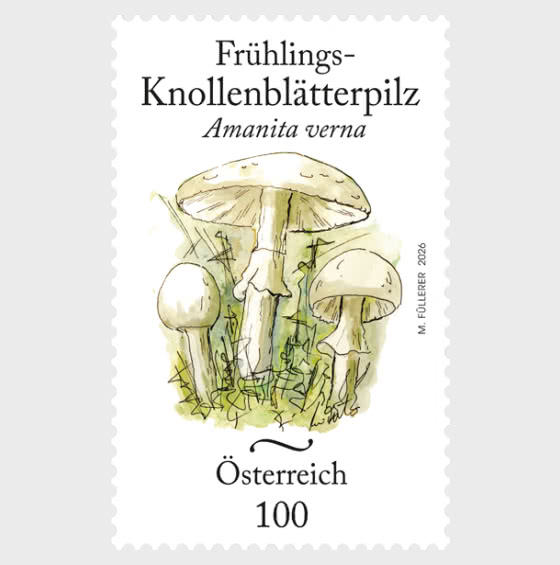
The fool’s mushroom (Amanita verna), also known as the spring destroying angel, is a member of the genus Amanita. A characteristic feature is its colour: the cap, stipe, gills and flesh are all white, even after having been cut. The thin stipe is surrounded by a fine, hanging annulus, while the volva can still be clearly seen at the thickened base of the stipe. In young specimens the cap is hemispherical, subsequently flattening out. The fool’s mushroom has a slightly sweet odour, turning to a carrion smell as it gets older. It primarily grows in deciduous forests and parks, especially under oak and beech trees. In Europe it is mostly found in the southern regions. Unlike many other mushrooms, it is not only found in the autumn but can also be found in spring, hence its alternative name: spring destroying angel.
Amatoxins and phallotoxins make it one of the most poisonous and most dangerous mushrooms in Europe. They primarily affect the liver and kidneys and, even in small quantities, are fatal if not treated immediately. Consequently, the mushroom should never be ingested, not even in small amounts. Symptoms of poisoning often manifest only hours later, making any mistake even more dangerous. The mushroom can be confused with the edible field mushroom, for example, which differs from it thanks to its pinkish-brown gills, as well as with other species of Amanita.