Nature and art
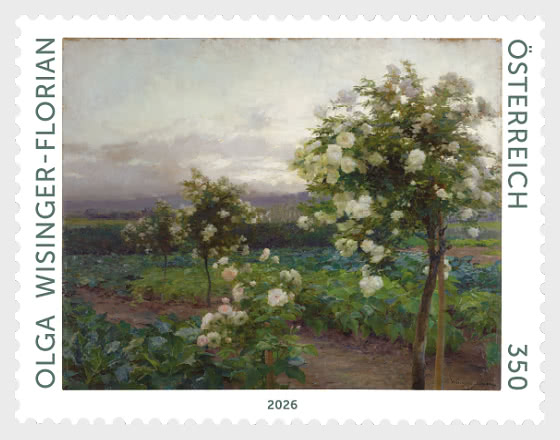
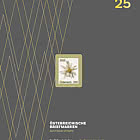
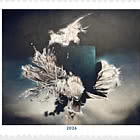
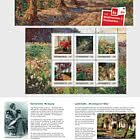
A new series, “Art from Austria”, is getting underway with the multi-talented artist Olga Wisinger-Florian, who died 100 years ago.
Olga Wisinger-Florian was born in 1844 in Vienna. She was a concert pianist and took pri- vate painting lessons, including from the landscape artist Emil Jakob Schindler, soon becom- ing one of Austria’s leading painters of landscapes and flowers. From the 1880s on, she en- joyed success with her paintings and received many awards. Her customers included the no- bility and even the imperial household. She was also a founding member of the exhibition group “Acht Künstlerinnen” (eight female artists) and encouraged and promoted female art- ists. Issues with her health led to her losing her sight in 1913, and she passed away in 1926.
Her main motifs were pictures of gardens, flowers and landscapes. Up until around 1900, her works were characterised by a lyrical naturalism, depicting the idyllic beauty and rich colours of nature. In her later works, the influence of Impressionism is evident, with the effects of light and colour moods taking precedence over a realistic depiction. She painted with a bristle brush, only mixing the colours once they were on the canvas. In her work she employed re- ductions and vanishing-point perspectives, what at first glance appear to be mere blotches of paint prove to be flowers when viewed from a distance. Olga Wisinger-Florian painted tire- lessly until her sight began to fail and was one of the very few women to enjoy success in the world of art around 1900. Dating from 1896, the painting “Summer’s Evening” also had a subtitle: “Roses in Full Splendour”. It is part of the Leopold private collection.