2026The Sonntagberg Basilica - Set
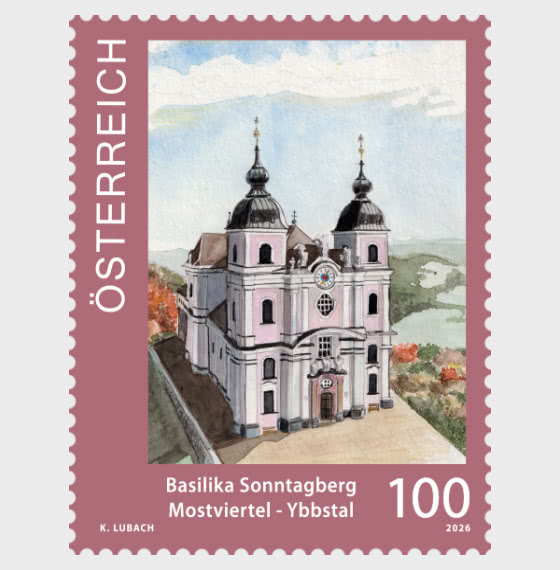
- 19.04.2026
- Kirsten Lubach
- Offset printing + pantone 695c
- 33,35 x 42,00mm
- €1.00
A pilgrimage destination with a history
This year’s design for the “Churches in Austria” series presents the eye-catching Baroque pil- grimage church on the Sonntagberg in Lower Austria, which can be seen for miles around.
From the parish and pilgrimage church dedicated to the Holy Trinity and the archangel Mi- chael that sits high up on the ridge of the Sonntagberg, you get a view over the Mostviertel region that is well worth seeing. The legend surrounding the church’s founding tells of a marker stone where God is supposed to have appeared to a shepherd in a dream. In around 1440, the abbot of Seitenstetten Abbey had a chapel built on the spot, which was subse- quently replaced with a Late Gothic church to cope with the sheer numbers of pilgrims who came to visit it. The Baroque church with its two mighty towers that stands there today was built between 1706 and 1732 to plans by Jakob Prandtauer and Joseph Munggenast, while the colourful wall and ceiling frescoes are the work of the Baroque painter Daniel Gran. The church was consecrated in 1729 and granted the status Basilica minor in 1964.
The icon featuring a depiction of the Holy Trinity on a copper tablet dating from 1614 stands at the centre of the high altar, which was created by the Tyrolean master builder Melchior He- fele between 1751 and 1757. Set in its opulently chiselled frame, the icon is held by two an- gels crafted by the sculptor Jakob Christoph Schletterer. And, of course, the historic marker stone can also be seen in the church. Among other treasures, the Schatzkammer Sonntag- berg museum’s holdings include many votive offerings and priests’ vestments. The museum provides insights into the history of pilgrimages to the Sonntagberg.
Austria - Recommended stamp issues





WOPA+ recommended stamp issues

| Avatar - Fire and Ash |
| Issued: 03.12.2025 |
| ›New Zealand |
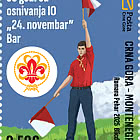
| 50th Anniversary of the Founding of the 24th November Bar Scout |
| Issued: 24.11.2025 |
| ›Montenegro |
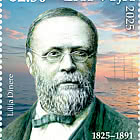
| Krisjanis Valdemars |
| Issued: 02.12.2025 |
| ›Latvia |
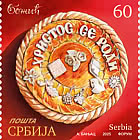

| Sign Language - Good |
| Issued: 02.12.2025 |
| ›Bosnia and Herzegovina - Republic of Srpska |

| In Memory of the Fallen and Murdered on October 7, 2023 |
| Issued: 08.10.2025 |
| ›Israel |
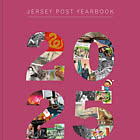
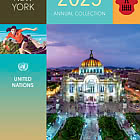
| Annual Collection Folder (New York) |
| Issued: 05.12.2025 |
| ›United Nations |
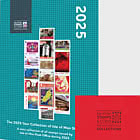
| Year Set |
| Issued: 24.11.2025 |
| ›Isle of Man |
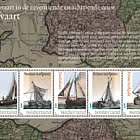
| Shipping in the 17th and 18th Centuries - Peat Shipping |
| Issued: 05.12.2025 |
| ›Netherlands |